Chocolate Script: A Modern Typeface for Web Design
In the crowded landscape of digital interfaces, the choice of typography often dictates the first impression a user forms. As web designers and UI creators, we constantly search for typefaces that balance aesthetic appeal with functional clarity. Chocolate Script emerges as a compelling option within the Script Amp category, offering a modern, handwritten feel that elevates brand identity without sacrificing readability. This font is not merely decorative; it is a strategic asset for crafting conversion-focused layouts, engaging landing pages, and cohesive digital experiences.
The Visual Personality of Chocolate Script
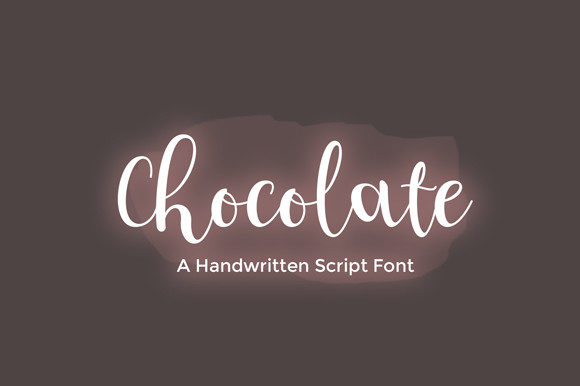
At its core, Chocolate Script is defined by its neat craftsmanship and high level of detail. Unlike many script fonts that lean heavily into exaggerated flourishes or illegible cursive styles, this typeface maintains a structured elegance. The strokes are fluid yet controlled, mimicking the natural rhythm of a skilled hand while ensuring that every character remains distinct on a screen. This balance makes it an excellent choice for brands seeking to convey warmth, creativity, and professionalism simultaneously.
When evaluating a modern typography solution for digital products, the visual weight of the letters matters significantly. Chocolate Script offers a robust presence that commands attention in hero sections without overwhelming the surrounding content. Its curves and connections are designed to render smoothly across various resolutions, making it a reliable choice for responsive web design. Whether you are building a boutique online store or a personal portfolio site, this font brings a human touch that static sans-serif headers often lack.
Strategic Applications in Digital Layouts
Integrating a script font into a website requires careful consideration of hierarchy and context. Chocolate Script shines when used as a display font for specific elements where emotional connection is key. It is particularly effective for:
- Hero Section Headlines: Use this typeface for the main value proposition on a landing page. The unique style immediately differentiates your brand from competitors using standard geometric fonts.
- Call-to-Action (CTA) Areas: While body text should remain simple, applying Chocolate Script to short, punchy phrases like "Start Your Journey" or "Shop the Collection" can increase click-through rates by adding a sense of exclusivity.
- Online Store Banners: For e-commerce sites selling artisanal goods, fashion, or lifestyle products, this font enhances the perceived value of the merchandise.
- Blog Headers and Section Dividers: Breaking up long-form content with elegant script headings improves scanning behavior and keeps users engaged.
- Digital Brand Kits: Incorporate the font into social media graphics, email headers, and app screens to maintain a consistent online identity.
However, it is crucial to recognize where this font should not be used. Chocolate Script is not intended for long paragraphs of body copy. In digital design, readability is paramount, and dense blocks of script text can strain the eyes. Instead, reserve this typeface for titles, logos, and short decorative accents. By limiting its use, you create a strong visual contrast that guides the user's eye through the layout naturally.
Optimizing Readability and Mobile Experience
One of the primary challenges with script fonts in web design is ensuring they remain legible on mobile devices. Screen sizes vary wildly, and a font that looks stunning on a desktop monitor may become muddy on a smartphone if not optimized. Chocolate Script addresses this through its clean stroke widths and well-defined letterforms. However, as a designer, you must still apply best practices when implementing it.
For mobile screens, ensure that the font size is sufficiently large to prevent pixelation. When placing this font over image overlays, always consider adding a subtle shadow or a semi-transparent background layer to separate the text from complex patterns. Dark backgrounds paired with light-colored Chocolate Script can create a sophisticated, high-end look, but the contrast ratio must meet accessibility standards. Conversely, on light backgrounds, the dark ink-like quality of the font provides excellent visibility.
Furthermore, check the included file formats and webfont availability. A premium font package should provide WOFF2 and WOFF files to ensure fast loading times and broad browser compatibility. If the font includes alternate characters or ligatures, utilize them sparingly to add personality to specific words without disrupting the reading flow. Multilingual support is another critical factor; verify that the character set covers all languages required for your target audience before deploying it globally.
Mastering Font Pairing for Web Design
The true power of Chocolate Script is unlocked through strategic font pairing. To create a balanced and professional digital interface, pair this expressive script with a neutral, highly readable typeface for body copy. A clean sans serif font such as Open Sans, Roboto, or Lato works exceptionally well, providing a modern counterpoint to the organic curves of the script. This combination creates a clear visual hierarchy: the script draws attention, while the sans-serif ensures information is consumed easily.
Alternatively, for projects requiring a more editorial or traditional tone, consider pairing Chocolate Script with a classic serif font. This approach is ideal for coaching websites, literary blogs, or luxury brand portfolios where a sense of heritage and authority is desired. The interplay between the flowing script and the structured serifs adds depth and sophistication to the design. Regardless of the pairing, consistency is key. Establish a strict typographic scale where the script is reserved for H1 and H2 tags, while the secondary font handles H3, H4, and paragraph text.
Licensing and Commercial Usage
Before integrating Chocolate Script into client projects, SaaS platforms, or commercial online stores, it is essential to review the licensing terms. As a digital product creator, you must ensure that the license covers web usage, including embedding via CSS or @font-face rules. Many commercial font licenses distinguish between personal use and business applications. Using a font without the appropriate web license can lead to legal complications and potential fines.
Look for a license that explicitly permits use on unlimited websites, digital templates, and branded assets. If you are a freelancer working for multiple clients, clarify whether the license allows for redistribution or if each client needs their own purchase. Investing in a properly licensed premium font protects your reputation and ensures that your design work remains compliant. Additionally, check if the license includes access to future updates or extended character sets, which can be valuable for long-term brand maintenance.
Elevating Brand Identity with Detail
In the realm of digital branding, small details make a significant impact. Chocolate Script offers those details through its intricate design and modern execution. It transforms a standard webpage into a curated experience, signaling to visitors that care has been put into every aspect of the design. Whether you are launching a new course sales page, redesigning a portfolio, or refreshing a corporate blog, this typeface serves as a versatile tool for enhancing visual storytelling.
By understanding its strengths and limitations, web designers can leverage Chocolate Script to create layouts that are both beautiful and functional. It bridges the gap between artistic expression and user-centric design, proving that a well-chosen script font can drive engagement and reinforce brand trust. As you build your next digital project, consider how this modern typeface can bring your vision to life, turning simple text into a memorable brand statement.