Dailytrust Script: A Handwritten Typeface for Web Design
In the crowded landscape of digital experiences, the choice of typography often dictates the first impression a user forms about a brand. As web designers and UI creators, we constantly search for typefaces that balance aesthetic elegance with functional readability. Dailytrust Script emerges as a unique solution in this quest. It is not merely a decorative element but a strategic design asset capable of infusing personality into sterile layouts. This handwritten font brings a human touch to digital interfaces, making it an excellent choice for brands aiming to connect emotionally with their audience.
The Visual Personality of Dailytrust Script
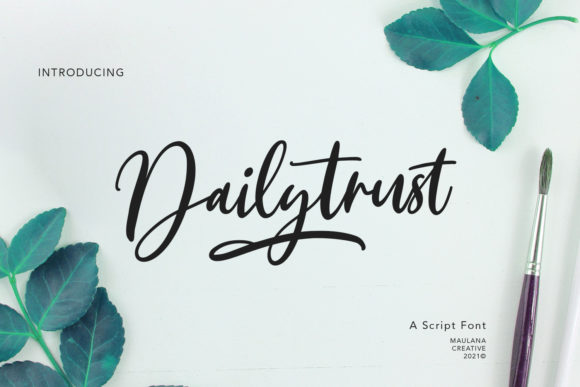
Dailytrust Script belongs to the Script Amp category of Fonts, offering a distinct look that mimics natural handwriting while maintaining the structural integrity required for screen display. Unlike rigid geometric sans serif fonts or traditional serif typefaces, Dailytrust Script flows with organic curves and varying stroke widths. This creates a visual rhythm that guides the eye gently across the screen. The font exudes warmth, authenticity, and sophistication, qualities that are essential for establishing trust in online environments.
When evaluating a premium font for a project, I look for versatility. Dailytrust Script excels here because its elegance does not overwhelm the content. It serves as a powerful accent that can elevate a simple landing page into a compelling narrative. Whether used for a boutique online store or a personal coaching website, the font's inherent charm helps communicate a message of care and attention to detail. In an era where users crave genuine connections, a handwritten font like this bridges the gap between corporate messaging and personal interaction.
Strategic Placement in Digital Layouts
Integrating Dailytrust Script into a web design requires a thoughtful approach to visual hierarchy. While it is stunning as a hero title, its primary strength lies in short phrases and focal points rather than long blocks of text. For instance, using Dailytrust Script for the main headline on a wedding planning service's homepage immediately sets a romantic and personalized tone. Similarly, on a product landing page for artisanal goods, the font can be used for section headers to highlight the craftsmanship behind the items.
Consider the impact on call-to-action areas. A button labeled "Join Our Community" in a standard sans serif font is functional, but rendering it in Dailytrust Script adds a layer of invitation and exclusivity. However, caution is necessary. Because script fonts can reduce legibility at smaller sizes, they should generally be reserved for large headlines, logo text, or decorative accents. Using them for body copy or small navigation links can hinder user experience and negatively affect conversion rates. The goal is to use the font where it enhances the message without sacrificing clarity.
Enhancing Brand Identity and Trust
Brand identity in the digital space is built on consistency and tone. Dailytrust Script offers a way to differentiate a brand from competitors who rely solely on generic system fonts. For a creative portfolio site, this typeface can serve as a signature element, reinforcing the designer's unique style. In editorial design contexts, such as blog headers or magazine-style websites, the font adds a layer of sophistication that suggests high-quality content.
The psychological effect of a handwritten font cannot be overstated. It signals that a real person is behind the brand, fostering a sense of trust. For SaaS founders or digital entrepreneurs launching a new course sales page, using Dailytrust Script for testimonials or key value propositions can make the content feel more relatable and less automated. This subtle shift in perception can significantly influence user engagement and decision-making processes.
Readability and Responsive Design Considerations
One of the most critical aspects of modern typography is how it performs across different devices. Mobile screens present unique challenges for script fonts due to limited resolution and varying screen sizes. When implementing Dailytrust Script, it is crucial to test the font on mobile devices to ensure the ligatures and flourishes do not become indistinguishable blobs.
To maintain readability, I recommend increasing the line height and letter spacing slightly when using this font on smaller screens. Additionally, contrast plays a vital role. Dailytrust Script looks particularly striking against dark backgrounds, provided the weight is sufficient to prevent the strokes from disappearing. On light backgrounds, a darker shade or a slight drop shadow can enhance visibility. Avoid placing the font over busy image overlays unless you apply a semi-transparent background layer to ensure the text remains legible.
Responsive layouts must adapt the font size dynamically. What works beautifully on a desktop monitor might need scaling down or even substitution on a mobile view. In some cases, switching to a simpler sans serif font for mobile headlines while keeping Dailytrust Script for desktop can be a smart usability decision. Always prioritize the user's ability to scan and understand the content quickly.
Mastering Font Pairing for Web Experiences
A successful web design rarely relies on a single typeface. The art of font pairing is essential to create a balanced and professional layout. Dailytrust Script pairs exceptionally well with clean, neutral sans serif fonts. The contrast between the organic flow of the script and the structured geometry of a sans serif creates a dynamic visual tension that keeps the design engaging.
For a modern, tech-forward brand, pairing Dailytrust Script with a geometric sans serif like Montserrat or Open Sans can create a fresh, contemporary look. This combination allows the script to shine as the personality driver while the sans serif handles the heavy lifting of information delivery. Conversely, for a more editorial or luxury aesthetic, pairing it with a classic serif font can evoke a timeless elegance suitable for fashion blogs or high-end consulting firms.
When building a digital brand kit, consider defining specific rules for these pairings. For example, reserve Dailytrust Script for H1 tags and pull quotes, while using the paired sans serif for H2, H3, and body paragraphs. This consistent application ensures that the brand voice remains clear and recognizable across all touchpoints, from social media graphics to email newsletters.
Technical Implementation and Licensing
Before integrating Dailytrust Script into a live website, it is important to verify the technical specifications. Ensure that the font package includes webfont formats such as WOFF2 and WOFF, which are optimized for fast loading times and broad browser compatibility. Check if the font supports the character sets required for your target audience, including multilingual support if your brand operates globally.
Licensing is another critical consideration for commercial projects. Using a font on a client's website, an online store, or a digital template requires the appropriate commercial license. Many free fonts come with restrictions that prohibit commercial use or require attribution. As professional designers, we must ensure that our clients have the legal right to use the typeface in their branding assets. Purchasing a proper license protects both the designer and the client from potential legal issues and supports the creators of these valuable design assets.
Dailytrust Script represents more than just a collection of characters; it is a tool for storytelling in the digital realm. By understanding its strengths, limitations, and best practices for implementation, we can craft web experiences that are not only visually stunning but also deeply resonant with users. Whether designing a landing page, an app interface, or a full-scale e-commerce platform, this elegant handwritten font offers the perfect blend of style and substance to elevate your digital projects.